- English
- French
- German
- Portuguese
- Spanish
- Russian
- Japanese
- Korean
- Arabic
- Greek
- German
- Turkish
- Italian
- Danish
- Romanian
- Indonesian
- Czech
- Afrikaans
- Swedish
- Polish
- Basque
- Catalan
- Esperanto
- Hindi
- Lao
- Albanian
- Amharic
- Armenian
- Azerbaijani
- Belarusian
- Bengali
- Bosnian
- Bulgarian
- Cebuano
- Chichewa
- Corsican
- Croatian
- Dutch
- Estonian
- Filipino
- Finnish
- Frisian
- Galician
- Georgian
- Gujarati
- Haitian
- Hausa
- Hawaiian
- Hebrew
- Hmong
- Hungarian
- Icelandic
- Igbo
- Javanese
- Kannada
- Kazakh
- Khmer
- Kurdish
- Kyrgyz
- Latin
- Latvian
- Lithuanian
- Luxembou..
- Macedonian
- Malagasy
- Malay
- Malayalam
- Maltese
- Maori
- Marathi
- Mongolian
- Burmese
- Nepali
- Norwegian
- Pashto
- Persian
- Punjabi
- Serbian
- Sesotho
- Sinhala
- Slovak
- Slovenian
- Somali
- Samoan
- Scots Gaelic
- Shona
- Sindhi
- Sundanese
- Swahili
- Tajik
- Tamil
- Telugu
- Thai
- Ukrainian
- Urdu
- Uzbek
- Vietnamese
- Welsh
- Xhosa
- Yiddish
- Yoruba
- Zulu
How to Source ESP32 P4 Display Module Globally?
To get the best performance for your industrial apps, you need to carefully plan how to find an ESP32 P4 display module worldwide and evaluate each vendor. The ESP32-P4 is a big step forward in integrated display technology. It has two RISC-V processors running at 400MHz and built-in MIPI-DSI support for high-resolution screens. Finding trustworthy makers that can give you original modules, full expert support, low prices, and a stable supply chain for your human-machine interface projects is key to global procurement success.
Understanding the ESP32 P4 Display Module: Key Technical Insights
The ESP32 P4 display module is a huge step forward in embedded human-machine interface technology. It was made to meet the high standards of current industrial uses. This high-tech module combines cutting-edge processing power with cutting-edge display interfaces, making it the perfect choice for engineers looking for high-performance HMI development platforms.
Core Technical Specifications and Architecture
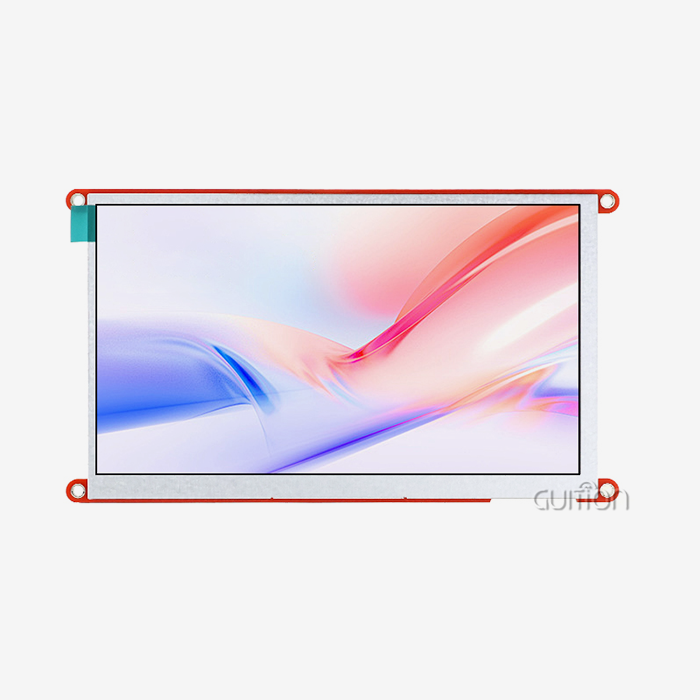
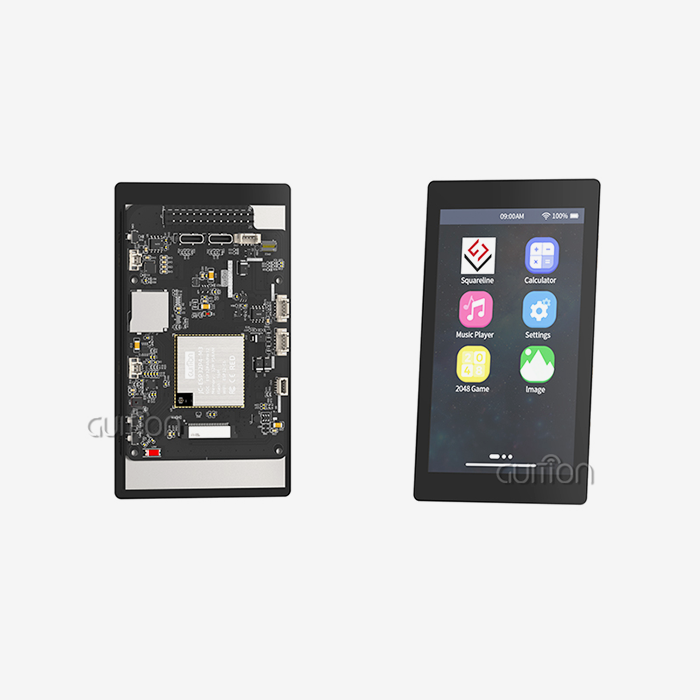
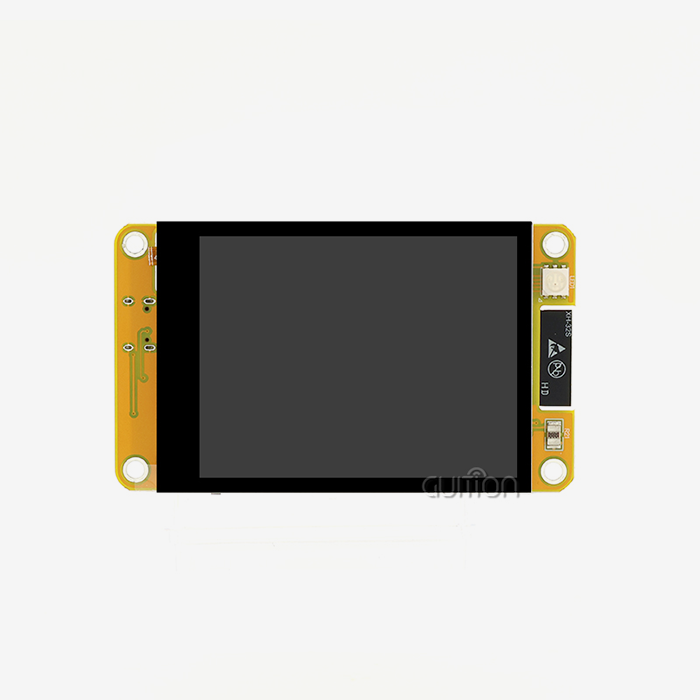
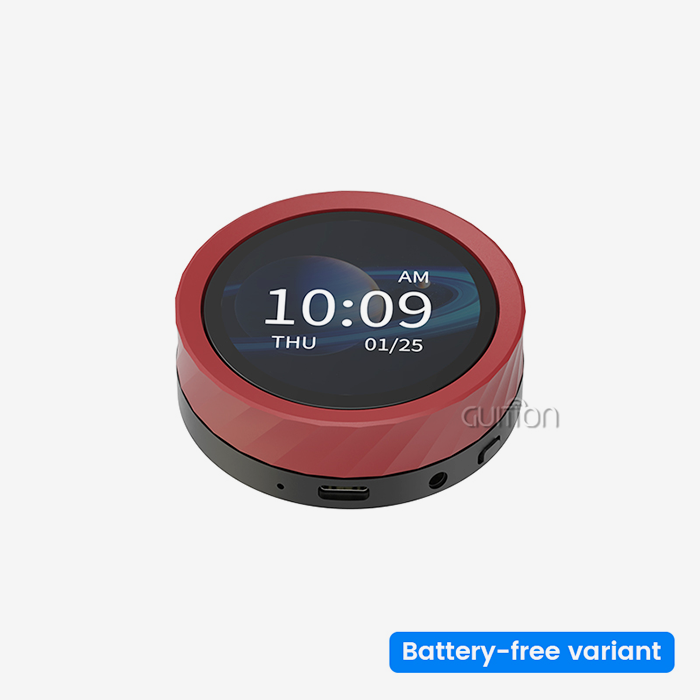
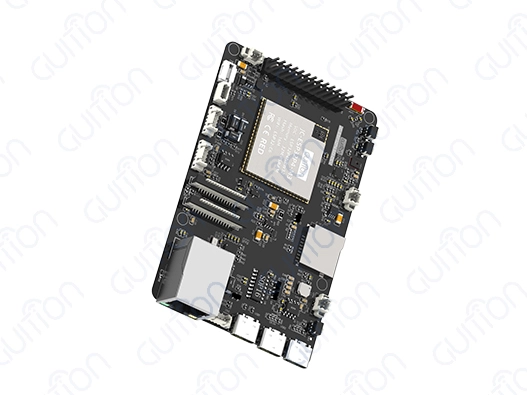
The Guition JC-ESP32P4-M3-DEV module is the best example of ESP32-P4 technology because it has both ESP32-P4 and ESP32-C6 chipsets built into one box. This two-chip design gives you more ways to connect than ever before, with Wi-Fi 6 and Bluetooth 5 wireless standards. This means your devices will stay connected even in harsh industrial settings.
The processing power of the module comes from a 400MHz dual-core RISC-V processor and up to 32MB of PSRAM. This strong design can handle complicated video apps while still being energy-efficient, which is very important for devices that run on batteries. The built-in 2D Pixel Processing Accelerator (PPA) takes care of rendering graphics jobs on its own, so the main processor can work on logic-heavy applications, and the user interface runs smoothly.
Interface Capabilities and Communication Protocols
Modern industrial apps need a lot of different ways to connect, and this module provides all of those choices. MIPI-CSI has an Image Signal Processor (ISP) built in, and MIPI-DSI lets you connect a display directly. Other HCI interfaces include SPI, I2S, I2C, UART, and TWAI, which are common communication methods. These connections make it easy to connect to current industrial systems and give you options for growth in the future.
The high-speed USB OTG 2.0 support expands the ways you can connect, letting you directly connect to peripherals and making data sharing easier. The module is perfect for complicated industrial control panels and smart device apps because it can handle multiple transmission protocols at the same time.
Display Performance and Resolution Capabilities
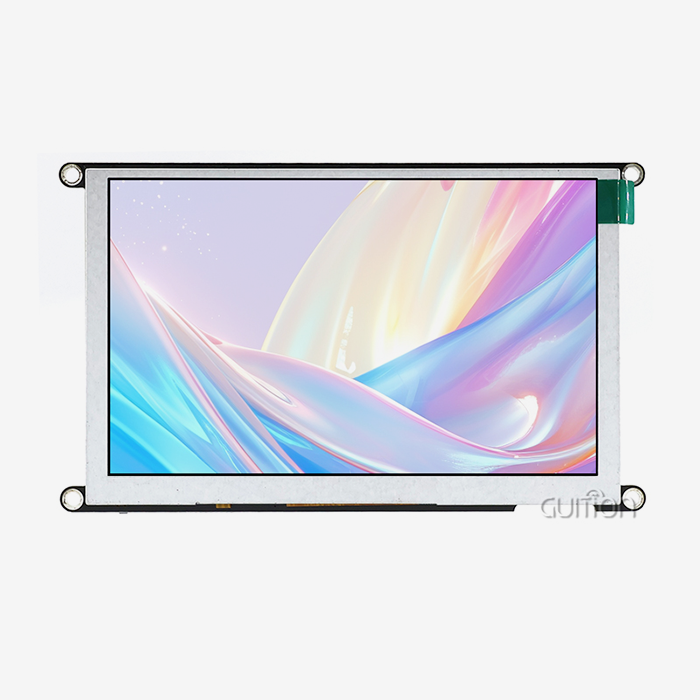
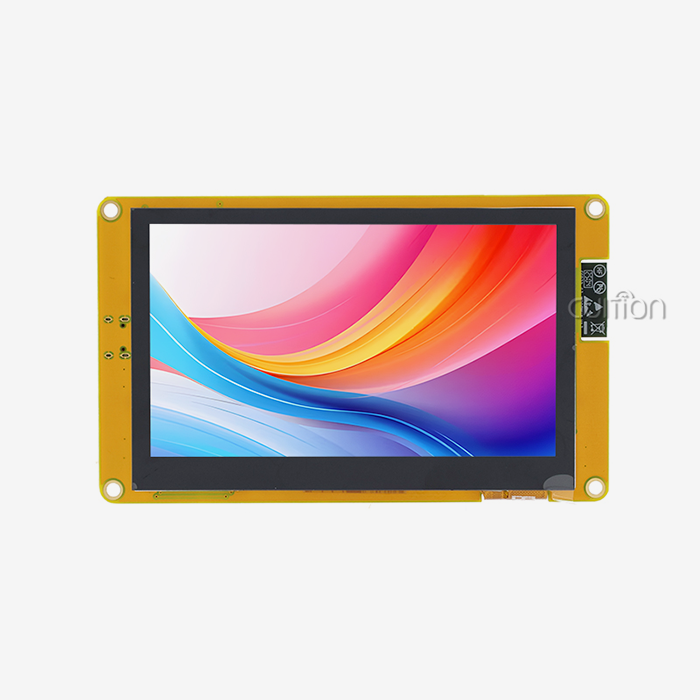
The module works great with both MIPI-DSI and parallel RGB connections and can drive high-resolution screens up to 800x1280 pixels. This feature keeps costs low while keeping up with the trend in the industry toward higher-definition industrial screens. The faster graphics processing in the hardware makes sure that images run smoothly and touch screens respond quickly, which are important for professional HMI apps.
Power consumption optimization is still a top concern, and the architecture of the module is set up to balance speed with energy efficiency. The two-core design lets you smartly control power, so jobs that don't need as much power can run on the low-power core, which saves battery life for portable uses.
Global Sourcing Challenges and Solutions for ESP32 P4 Display Modules
Buying ESP32-P4 modules around the world comes with its own problems that need to be solved with a plan and careful consideration of the vendors. Knowing about these problems helps procurement managers come up with good strategies for sourcing goods while lowering the risks that come with foreign supply lines.
Supply Chain Complexity and Market Fragmentation
The global chip market is always changing, which affects the price and supply of high-tech modules such as the ESP32-P4 and the ESP32 P4 display module. When different sellers offer the same product with varying specifications, making it hard to choose, this is known as market fragmentation. Finding units with more than one chip, like the JC-ESP32P4-M3-DEV's dual-chip design, makes this even more challenging.
Regional manufacturing skills are very different. Some providers focus on making a lot of items, while others offer customization services. Knowing these differences helps buyers match their needs with the right providers, making sure they get the best results for their uses.
Quality Assurance and Authenticity Verification
Fake electrical parts can really hurt the success of a project and make it less reliable in the long run. Modern counterfeiting is so sophisticated that it's hard to tell what something is by looking at it. This is why technology-proof methods are needed. Modules that are real show steady performance, good heat management, and reliable operation within certain temperature ranges.
When you work with approved distributors, you can access manufacturer help tools and greatly lower the risk of fake goods. A lot of the time, these partnerships come with technical documents, sample programs, and direct engineering support that are very helpful during the development stages.
Regulatory Compliance and Certification Requirements
Electronic devices, especially those with wireless contact features, have to follow different rules in different international areas. For different areas, the ESP32-P4's Wi-Fi 6 and Bluetooth 5 features need to be certified. For example, in North America, they need to be FCC approved, and in Europe, they need to be CE marked.
If you know about the certification needs early on in the buying process, you can avoid delays and extra costs during product creation. Reliable providers keep their certification paperwork up to date and can give advice on how to meet the needs of target markets.
Evaluating Global Suppliers and Making Informed Purchasing Decisions
Getting the right ESP32-P4 modules depends a lot on how well you evaluate suppliers and make smart decisions. This review looks at technical skills, business dependability, and the chance of a long-term relationship.
Supplier Credibility and Technical Expertise Assessment
To figure out how trustworthy a provider is, you have to look at more than just the price. Suppliers that have been around for a while have stable track records, keep detailed technical documents, and offer quick customer service. Their tech teams should know a lot about the ESP32-P4 design and be able to help with problems that come up during integration and ways to make things run more smoothly.
It's clear that a seller has technical knowledge when they respond quickly to specific technical questions and can offer customization services when needed. Suppliers with strong technical skills often keep close ties with Espressif Systems. This lets them get the latest software changes and technical support.
Manufacturing Quality and Production Capacity
Delivery times and the dependability of supplies in the long term are directly affected by production capability, especially when it comes to manufacturing products like the ESP32 P4 display module. If a supplier has enough manufacturing capacity, they can meet the needs of both small sample orders and large production orders without lowering the quality standards. Quality management systems, like ISO 9001 approval, show that a company is dedicated to using consistent output methods and making improvements all the time.
You can learn about production capabilities and quality control measures by visiting manufacturing facilities or asking for specific quality documents. Suppliers who care about quality usually welcome these kinds of questions and give a lot of information about their facilities.
Pricing Strategy and Total Cost Analysis
For the price to work, you need to look at more than just unit costs. You also need to look at total ownership costs. These include the cost of shipping, any import fees, the minimum order size, and the terms of payment. Volume price models should match the expected number of orders while still leaving room for changes in demand.
When you buy something from another country, there are often hidden costs that come up, like handling fees, faster shipping costs, and changes in the value of the currency. A thorough cost analysis keeps projects from going over budget and makes sure that the money for the project is planned correctly.
Step-by-Step Guide: How to Source ESP32 P4 Display Modules Globally
Systematic sourcing methods reduce risks and improve results for buying ESP32-P4 modules. Using this organized method makes sure that the whole process of acquisition is evaluated thoroughly and decisions are made based on good information.
Requirements Definition and Specification Development
Start by writing down all the specific technical requirements, such as the screen's size, its interface, its working temperature range, and its power limits. Think about how you might need to expand in the future and how well your new system will work with older ones. Clear standards make it possible to compare suppliers accurately and keep things from getting confusing during buying talks.
It's important to pay close attention to environmental conditions, especially for industrial uses where modules may be exposed to high temperatures, high humidity, or electromagnetic interference. The ESP32 P4 display module works accurately in a wide range of industrial temperatures, so it can be used in tough situations.
Supplier Identification and Initial Screening
Find suppliers through a variety of outlets, such as company websites, industry trade shows, and business-to-business (B2B) platforms. Authorized dealer networks often offer the safest way to get real goods and offer support services in your area. Industry fairs let buyers and sellers talk to each other directly and show off their products.
Make seller evaluation matrices that compare important factors like expert skills, price, delivery terms, and customer service. This methodical technique makes it easier to make fair comparisons and helps people make smart decisions.
Sample Testing and Technical Validation
Before you commit to buying a lot of something, ask for examples so you can do a full technical review. It is important to test the speed, thermal properties, and interface compatibility with the apps you want to use them with. Systematically write down test results to help with comparing suppliers and reviewing the design internally.
The Guition software development environment lets you make quick prototypes and interfaces, allowing you to fully test the capabilities of the ESP32 P4 display module. Use this program to ensure the ESP32 P4 display module works seamlessly with your application and to evaluate the overall effectiveness of the development process.
Contract Negotiation and Risk Mitigation
Talk about all the details of the deal, like prices, shipping times, quality standards, and guarantee terms. Include services for expert help, access to documents, and firmware updates. Strategies for lowering risks should include ways to deal with problems in the supply chain, poor quality, and late deliveries.
The terms of payment should take into account both the need for cash flow and the supplier's preferred method of payment, as well as the necessary security measures for foreign deals.
Future Trends and Considerations in ESP32 P4 Display Module Procurement
The world of embedded systems is changing very quickly. New technologies are changing how companies buy things and how they work with suppliers. Knowing about these trends lets you plan ahead and strategically place yourself for future needs.
Technological Advancement and Performance Evolution
As AI skills at the edge become more important in industrial settings, modules like the ESP32 P4 display module include AI acceleration features for working close to the device. This trend makes connections to the cloud less important while also speeding things up and protecting data. In the future, buying plans should think about how AI working powers affect the speed of applications.
Module growth is still being driven by new display technologies, such as faster refresh rates and better color accuracy. The ESP32-P4's ability to accelerate graphics makes it a good choice for these changing needs while still being cost-effective.
Supply Chain Resilience and Strategic Planning
Recent events around the world have shown how important it is for electronic component suppliers to have a resilient supply chain. Diversified networks of suppliers and smart inventory management help keep project plans on track and reduce the risk of disruptions. Long-term relationships with suppliers let you set priorities when supplies are low and give you access to early product roadmaps.
Sustainable purchasing methods are becoming more popular, and environmental concerns affect both choosing suppliers and managing products throughout their entire lifetime. In markets where people care about the environment, suppliers who show they are committed to sustainable production methods and responsible material sources may have an edge in the market.
Digital Transformation and Procurement Efficiency
Digital buying tools make managing suppliers, keeping track of orders, and making the best use of goods easier. These systems show performance data, shipping schedules, and quality standards for suppliers in real time. Integration with business resource planning tools makes the process of buying things easier and helps keep track of money better.
Predictive analytics software helps predict trends in demand and find the best amount of supplies to keep on hand while keeping costs as low as possible. As product lifecycles get shorter and market needs change more quickly, these skills become more useful.
Conclusion
To find ESP32 P4 display modules around the world, you need a methodical plan that combines technical needs, source dependability, and lowering costs. The Guition JC-ESP32P4-M3-DEV module is the best ESP32-P4 module on the market. It has advanced processing power, a wide range of connecting options, and strong development tools. To be successful in global procurement, you need to carefully evaluate suppliers, clearly define your needs, and handle your relationships with them in a smart way. By using structured sourcing methods and focusing on building long-term partnerships, procurement pros can make sure that they have reliable access to these advanced modules while also lowering the overall cost of the project and keeping high-quality standards.
FAQ
Q: What makes the ESP32 P4 display module suitable for industrial applications?
A: The ESP32-P4 design has many benefits for industrial settings, such as strong dual-core RISC-V processing at 400MHz, temperature operation from -40°C to +85°C, and full support for many interfaces. The security features of the module, such as digital signature tools and specialized key management units, protect data in critical settings. The built-in PPA (Pixel Processing Accelerator) also provides smooth graphics performance that is necessary for professional HMI applications.
Q: How do I verify the authenticity of ESP32 P4 modules from global suppliers?
A: Verifying an authentic module includes several steps, such as checking the quality of the packaging and the accuracy of the labels, comparing the performance features to published specs, and checking with Espressif Systems to make sure the supplier is authorized. Ask providers for test results and certificates of authenticity. Real modules always work reliably across certain voltage ranges and have stable thermal performance and power consumption patterns. Working with approved sellers lowers the chance of fake goods by a large amount.
Q: What development tools are available for ESP32 P4 display modules?
A: The ESP32 P4 display module works with a number of different development platforms, such as Arduino IDE, ESP-IDF, and Guition's own development software. GUI software lets you create visual interfaces with drag-and-drop, so you don't have to use complicated low-level code for simple interfaces. Cross-platform debugging makes it easy to fix problems in a variety of programming settings. To cut down on development time, these tools come with complete packages, sample code, and instructions.
Q: What are the typical lead times for ESP32 P4 module orders?
A: Lead times depend on the number of items ordered, the level of tailoring needed, and the state of the market at the time. For modest amounts, standard units usually ship within 2 to 4 weeks. Custom configurations, on the other hand, may take 6 to 8 weeks. Lead times may go up to 8 to 12 weeks for large orders or orders that need special packing. By building ties with various suppliers, you can make sure that your products are always available and have backup choices in case the supply chain goes down.
Q: How do I ensure compatibility between ESP32 P4 modules and my existing systems?
A: To make sure that two devices are compatible, you need to carefully look over the port specs, voltage levels, and communication methods. With its wide range of interfaces (MIPI-DSI, SPI, I2C, and UART), the ESP32-P4 can be easily connected to most current devices. Look over the pinout diagrams, electrical specs, and needs for program compatibility. Before you make a final purchase, ask providers for expert help to answer specific questions about merging and compatibility.
Ready to Source Your ESP32 P4 Display Module from a Trusted Manufacturer?
Our complete JC-ESP32P4-M3-DEV module options are ready to help you with your ESP32-P4 purchasing needs. We use cutting-edge gear and easy-to-use development tools in our technology-driven approach, which lets us make quick prototypes and quickly put them into production. We know how hard it can be to source things from around the world, so we offer reliable supply chain support, detailed technical instructions, and helpful customer service to make sure your project succeeds. Some of the development platforms that our modules work with are Arduino and ESP-IDF. Additionally, our own Guition software makes it easier to create interfaces, which speeds up the time it takes to get a product to market. Email our team at david@guition.com to talk about your unique needs and find out how our ESP32 P4 display module options can help speed up your next industrial project. As a dedicated provider of ESP32 P4 display modules, we're dedicated to giving your projects the technical know-how and reliable products they need.
References
1. Espressif Systems. "ESP32-P4 Technical Reference Manual: Hardware Architecture and Peripheral Interfaces." Espressif Documentation Center, 2024.
2. International Electronics Manufacturing Initiative. "Global Semiconductor Supply Chain Analysis and Procurement Best Practices." Electronics Industry Association, 2024.
3. Chen, L. and Martinez, R. "Embedded Systems Procurement Strategies for Industrial Applications." Journal of Industrial Electronics, Vol. 45, No. 3, 2024.
4. Global Technology Research Institute. "RISC-V Processor Market Trends and Industrial Implementation Analysis." Technology Market Research Quarterly, 2024.
5. Williams, D. "Supply Chain Risk Management in Electronic Component Procurement: A Comprehensive Guide." Industrial Procurement Review, 2024.
6. Asia-Pacific Electronics Trade Association. "B2B Electronic Component Sourcing: Regional Market Analysis and Supplier Evaluation Frameworks." Trade Development Reports, 2024.
Learn about our latest products and discounts through SMS or email