- English
- French
- German
- Portuguese
- Spanish
- Russian
- Japanese
- Korean
- Arabic
- Greek
- German
- Turkish
- Italian
- Danish
- Romanian
- Indonesian
- Czech
- Afrikaans
- Swedish
- Polish
- Basque
- Catalan
- Esperanto
- Hindi
- Lao
- Albanian
- Amharic
- Armenian
- Azerbaijani
- Belarusian
- Bengali
- Bosnian
- Bulgarian
- Cebuano
- Chichewa
- Corsican
- Croatian
- Dutch
- Estonian
- Filipino
- Finnish
- Frisian
- Galician
- Georgian
- Gujarati
- Haitian
- Hausa
- Hawaiian
- Hebrew
- Hmong
- Hungarian
- Icelandic
- Igbo
- Javanese
- Kannada
- Kazakh
- Khmer
- Kurdish
- Kyrgyz
- Latin
- Latvian
- Lithuanian
- Luxembou..
- Macedonian
- Malagasy
- Malay
- Malayalam
- Maltese
- Maori
- Marathi
- Mongolian
- Burmese
- Nepali
- Norwegian
- Pashto
- Persian
- Punjabi
- Serbian
- Sesotho
- Sinhala
- Slovak
- Slovenian
- Somali
- Samoan
- Scots Gaelic
- Shona
- Sindhi
- Sundanese
- Swahili
- Tajik
- Tamil
- Telugu
- Thai
- Ukrainian
- Urdu
- Uzbek
- Vietnamese
- Welsh
- Xhosa
- Yiddish
- Yoruba
- Zulu
Colour LCD display module Buying Guide for OEM Procurement Teams
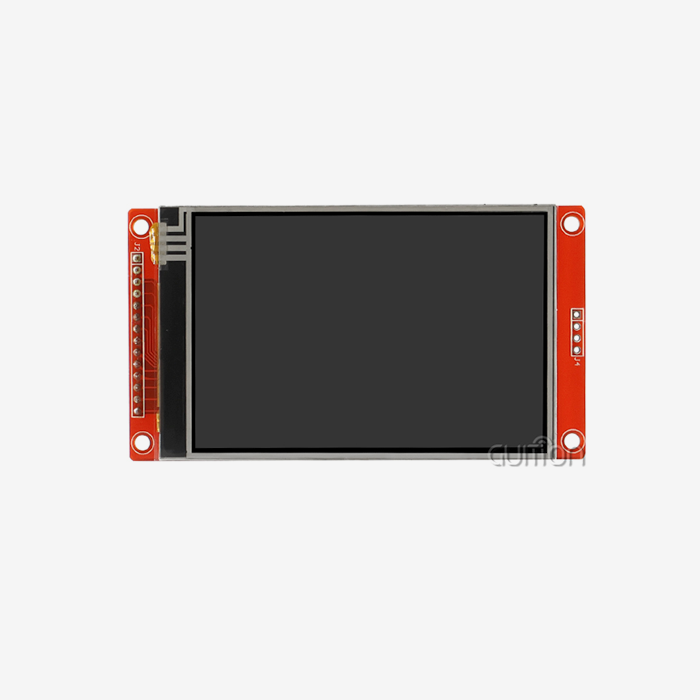
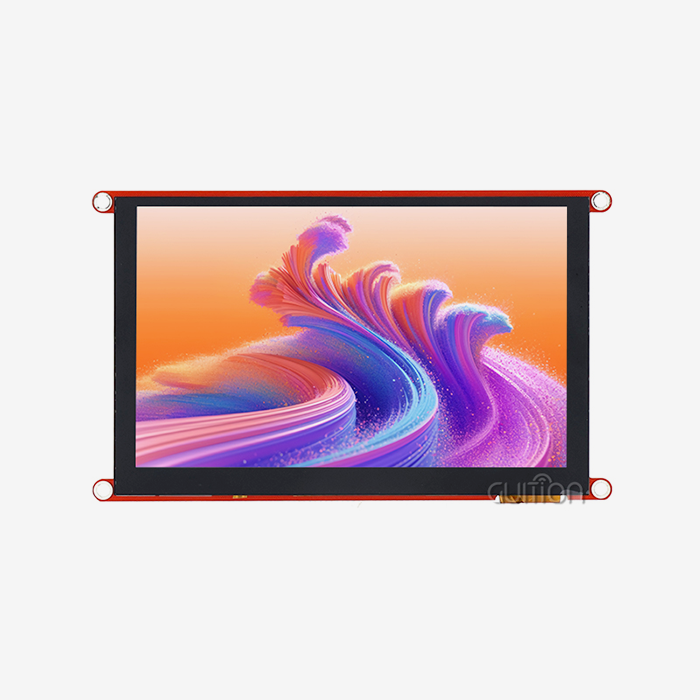
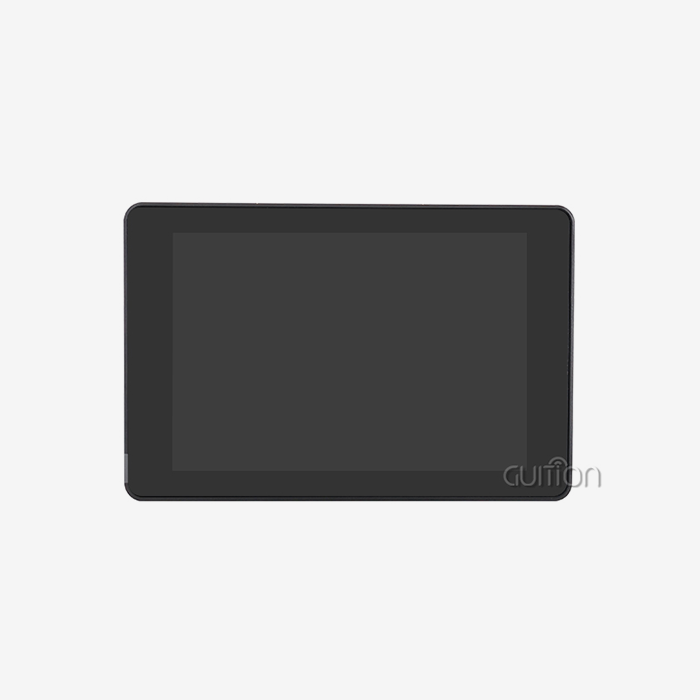
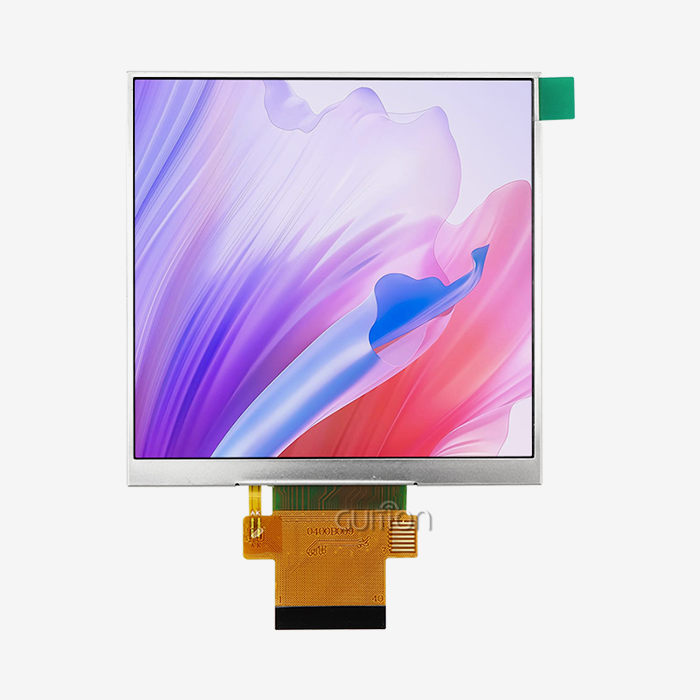
Selecting the appropriate Colour lcd display module is one of the most important considerations a procurement team inside an OEM will have to make. The improper option adds weeks of rework, inflates BOM costs, and generates field reliability issues. This guide walks you through every step of that decision – from understanding TFT panel architecture to evaluating suppliers – with a practical focus on the GUITION JC3248S035R, a 3.5-inch, ILI9488-driven color LCD display module that engineering teams across industrial, medical and consumer applications have adopted for its SPI simplicity and 65K-colour output.

Understanding Colour LCD Display Modules
Core Components Inside a Display Module
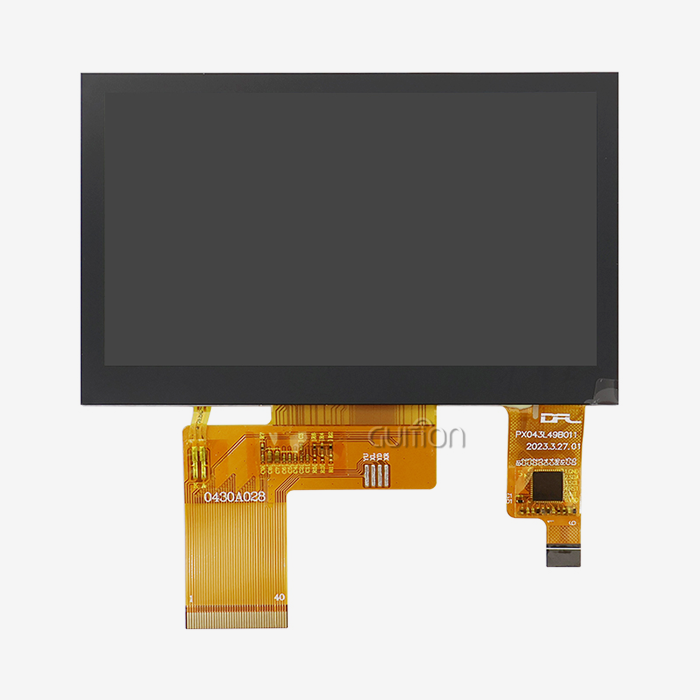
More than a glass screen, a Color LCD display module. It consists of a TFT liquid crystal layer, driver IC, PCB control board, LED backlight unit, and a touch interface may be added if required. The host MCU commands are translated to voltage signals at the pixel level by the driver IC. The IC utilized in GUITION JC3248S035R is ILI9488. It is fully documented and has broad support in the Arduino, ESP-IDF, and STM32 community.
Key Technical Specifications That Matter
The resolution, refresh rate, color depth, and kind of display all have a direct impact on how the user feels. The JC3248S035R features a 4 wire SPI interface with a resolution of 320x480 at 16 bits (65K colors). SPI helps keep the number of pins down, which is good if your MCU has a limited GPIO budget. Hardware for backlight control is built-in, and a resistive touch controller may be added, enabling gloved hand input or inexpensive pen contact.
TFT vs. OLED vs. Monochrome: What OEMs Should Know
TFT color LCD display panels are still the most popular choice for OEMs because they have a long life, stable power behavior, and a wide working temperature range. OLED has more contrast, but it can get burned in on industrial user interfaces with a lot of static. Even though black-and-white panels are cheaper, they can't show the color-coded status screens that modern HMI designs need. A TFT-based Colour lcd display module offers the best combination of price, durability, and visual fidelity for most embedded control panels, energy management dashboards, and smart appliance interfaces.
How to Choose the Best Colour LCD Display Module for OEM Use
Define Application Requirements First
Before you compare part numbers, you should know the size of your screen, the lighting, the availability of the MCU interface, and your touch needs. The JC3248S035R is a 3.5-inch module that works with handheld medical devices, small control panels, and farm automation systems. If your app will be used outside, you should define the brightness in nits early on. Standard modules come with 200–350 nits of brightness, while sunlight-readable versions have 800–2500 nits of brightness.
Evaluate Interface and Controller Compatibility
The choice of interface is the most important aspect in deciding the time to build. SPI is good for less than 4 inch monitors and GUI designs that don't change much. The JC3248S035R uses a 4-wire SPI, which only uses a few GPIO lines, freeing up GPIO pins for sensors, connectivity modules, or relay control. Larger panels with plenty of video could carry data faster using RGB parallel or MIPI DSI. You'll save a lot of prototyping time if the driver IC you choose (ILI9488 in our case) has library support for the platform you want to use.
Match Environmental Ratings to Deployment Conditions
Industrial-grade color LCD display modules must be able to withstand temperature cycling, vibration, and exposure to wet conditions. The difference between commercial-grade operation (0°C to 50°C) and industrial-grade operation (-30°C to +85°C) is specified in the IPC/JEDEC standards. When acquiring office automation or outdoor kiosk products, procurement teams should ensure that the FPC glue, polarizer adhesive, and liquid crystal fluid of the module all meet the stricter specifications. RoHS and REACH rules in export markets are complied with. OEM buyers often see the following as the main selection parameters:
- Resolution and color depth: 320×480 at 65K colors covers the majority of status-display and light-GUI applications without demanding a powerful MCU.
- Interface type: 4-wire SPI on the JC3248S035R minimizes GPIO usage and simplifies PCB routing compared to 8-bit parallel alternatives.
- Touch option: Resistive touch on the JC3248S035R suits glove-friendly industrial and medical use cases where capacitive sensitivity is a liability.
- Driver IC documentation: The ILI9488 has extensive open-source library coverage, which directly reduces firmware development hours.
- Built-in SD card slot: The JC3248S035R includes an SD card interface, allowing runtime loading of assets, fonts, and firmware images.
These criteria can be used for industrial control panels, smart home hubs, and commercial kiosk terminals. This means that they can be used as a starting point for any type of product.
Key Procurement Considerations and Supplier Evaluation
Sourcing Channels: Direct vs. Distributor
By getting straight from a Colour LCD display module manufacturer, OEM teams can typically get better prices and more control over lead times. Distributors add a profit margin and can make it harder to customize your order. When you buy directly from a manufacturer like Guition, you can get engineering support, custom PCB layouts, and help with the firmware, which are all services that distributors don't usually offer. If you only need a few prototypes, online B2B platforms are great, but make sure you have a direct supply deal in place before you start mass production.
Customization and Technical Support
The secondary development interfaces, full datasheets, and application-layer documents of a reliable Colour lcd display module provider are essential. The Guition UI development software is part of Guition's product ecosystem. It lets engineers create HMI screens using a drag-and-drop interface instead of writing low-level display driver code. This is important for R&D managers who are trying to meet tight deadlines for getting products to market. Support for remote over-the-air (OTA) updates, UTF encoding for multiple languages, and cross-platform compatibility with Arduino and IDF development modes all make integration even easier for your team.
Lead Time and Supply Reliability
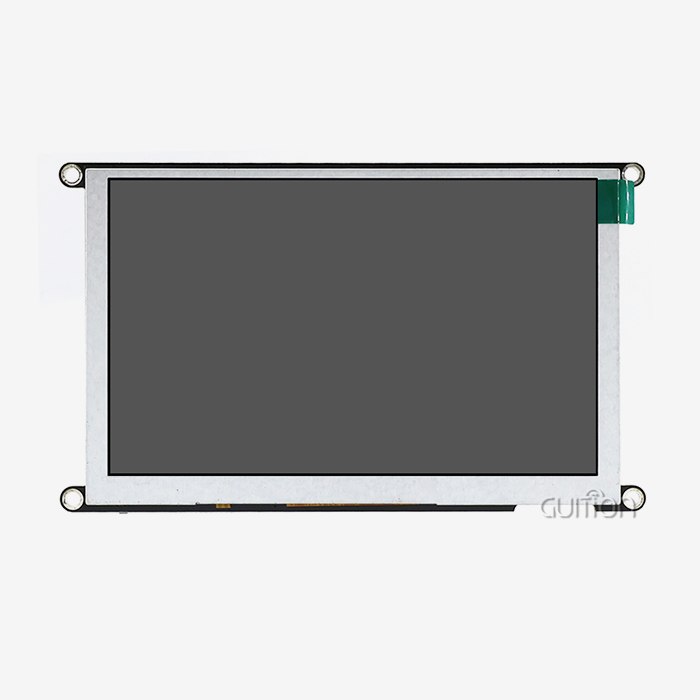
There are two main areas of procurement risk: the initial wait time and the continuation of long-term supply. Request production lifecycle commitments when assessing a Colour LCD display module provider, ideally five years or more for industrial SKUs. Check that the rules for shipping don't cause damage from electric charges while the goods are being shipped, and ask about safety stock programs for important OEM accounts. Guition works with screens ranging from 1.28 inches to 21.5 inches, so purchasing teams only have to deal with one vendor as their product lines grow.
Troubleshooting and Maintaining Colour LCD Modules
Common Issues and Their Root Causes
Flickering, dead pixels, and no-display faults after firmware updates are the three most common problems with TFT Color LCD display modules in production environments. Most of the time, flickering is caused by unstable backlight PWM signals or not enough power supply decoupling. Before accepting a shipment, ISO 13406-2 Class II standards should be used to check for dead pixels in the incoming goods review. When there are no display faults after firmware changes, it's usually because the MCU's settings don't match the ILI9488's expected ones when it comes to SPI clock polarity or phase.
Pinout Diagnostics and Firmware Checks
If the color LCD display module is not initialized, examine the hardware first. Before you flash the firmware, check the connections with a multimeter to make that VCC, GND, CS, DC, RST and MOSI are all connected. Consult the ILI9488 datasheet and make sure it is compatible with the SPI mode (CPOL/CPHA). Mode 0 works for most configurations. Make sure that the minimum time for the reset pulse is observed. If you see scrambled output on the screen instead of a blank screen, the data bus is operating, but there is an issue with startup. That makes it more difficult to solve.
Preventive Maintenance for Extended Field Life
Climate controls during installation are very important for the long term reliability of a Color lcd display module . Keep the operating temperature within the specified limits, avoid direct condensation on the FPC connection, and provide a conformal coating on the control PCB in humid areas. Teach module assemblers to always hold the modules by the PCB edges and never contact the display surface. Latent gate-oxide damage in the driver IC is prevented by storage in anti-static bags and the use of ESD wrist straps. This is damage that may not be seen until the buyer obtains the equipment.
Conclusion
When picking a Colour lcd display module for your application, you must take into account all optical requirements, interface type, environmental ratings, and supplier capabilities. The GUITION JC3248S035R is a 3.5” module with the ILI9488 bus. It boasts a 320x480 resolution, 4-wire SPI, and a possibly sensitive touch. It addresses the core demands of embedded engineers and OEM product teams in the industrial, medical, and consumer industries. It works well with the Guition development tools and a supplier that offers technical documentation and over-the-air (OTA) assistance. That means your team spends less time building drivers and more time creating value to the product.
FAQ
What is the difference between a colour LCD display module and an OLED module?
A Colour lcd display module produces pictures using a backlit liquid crystal layer, providing constant brightness over big areas and reliable long-term performance. OLED makes light for each pixel, which makes blacks deeper but can cause burn-in on static industrial UIs. Since TFT LCD screens have fixed layouts, they are the safer choice for OEM uses.
How do I select the right display size and resolution for my project?
Match the size of the display to the space you have in your enclosure and the amount of information your user interface needs. The JC3248S035R's 3.5-inch, 320x480 format works with most small control panels and handheld devices. Consider larger modules from Guition's 1.28-inch–21.5-inch range for dashboards that show complicated data tables.
Can I use the JC3248S035R with my existing Arduino or ESP32 setup?
Yes. The libraries for Arduino IDE and ESP-IDF that come with the ILI9488 driver IC are well taken care of. As well as test code and instructions, Guition makes it easy to get the display up and running quickly on popular development boards. This cuts down on the time needed for the first integration.
Is resistive touch on the JC3248S035R suitable for industrial use?
Because resistive touch works with any strong pressure, even gloved fingers or a pen, it can be used in places like factories and hospitals where capacitive screens don't work well.
Partner with Guition for Your Next Colour LCD Display Module Project
Guition's Colour lcd display module line, which includes the JC3248S035R, provides procurement teams with direct technical support, secondary development tools, and supply continuity for sizes ranging from 1.28 inches to 21.5 inches. Get in touch with our team right away to get a datasheet, price information, or a free trial unit. To begin your sourcing conversation with a Colour lcd display module supplier built for OEM scale, email us at [david@guition.com] or go to [https://jingcaizhineng.aixdb.cn/].
References
1. ILI9488 TFT LCD Driver IC Datasheet — Ilitek Co., Ltd., 2018.
2. ISO 13406-2: Ergonomic Requirements for Flat Panel Displays — International Organization for Standardization, 2001.
3. Embedded Systems Design: A Unified Hardware/Software Introduction — Vahid, F. & Givargis, T., John Wiley & Sons, 2002.
4. Display Technology Fundamentals: LCD and OLED Comparison for Industrial HMI — Society for Information Display (SID) Symposium Digest, 2021.
5. IPC/JEDEC J-STD-020: Moisture/Reflow Sensitivity Classification for Nonhermetic Solid State Surface Mount Devices — IPC, 2020.
6. Human-Machine Interface Design for Industrial Applications — Erickson, G., ISA (International Society of Automation), 2019.
Learn about our latest products and discounts through SMS or email