- English
- French
- German
- Portuguese
- Spanish
- Russian
- Japanese
- Korean
- Arabic
- Greek
- German
- Turkish
- Italian
- Danish
- Romanian
- Indonesian
- Czech
- Afrikaans
- Swedish
- Polish
- Basque
- Catalan
- Esperanto
- Hindi
- Lao
- Albanian
- Amharic
- Armenian
- Azerbaijani
- Belarusian
- Bengali
- Bosnian
- Bulgarian
- Cebuano
- Chichewa
- Corsican
- Croatian
- Dutch
- Estonian
- Filipino
- Finnish
- Frisian
- Galician
- Georgian
- Gujarati
- Haitian
- Hausa
- Hawaiian
- Hebrew
- Hmong
- Hungarian
- Icelandic
- Igbo
- Javanese
- Kannada
- Kazakh
- Khmer
- Kurdish
- Kyrgyz
- Latin
- Latvian
- Lithuanian
- Luxembou..
- Macedonian
- Malagasy
- Malay
- Malayalam
- Maltese
- Maori
- Marathi
- Mongolian
- Burmese
- Nepali
- Norwegian
- Pashto
- Persian
- Punjabi
- Serbian
- Sesotho
- Sinhala
- Slovak
- Slovenian
- Somali
- Samoan
- Scots Gaelic
- Shona
- Sindhi
- Sundanese
- Swahili
- Tajik
- Tamil
- Telugu
- Thai
- Ukrainian
- Urdu
- Uzbek
- Vietnamese
- Welsh
- Xhosa
- Yiddish
- Yoruba
- Zulu
Can a Smart LCD Module Simplify Embedded GUI Development?
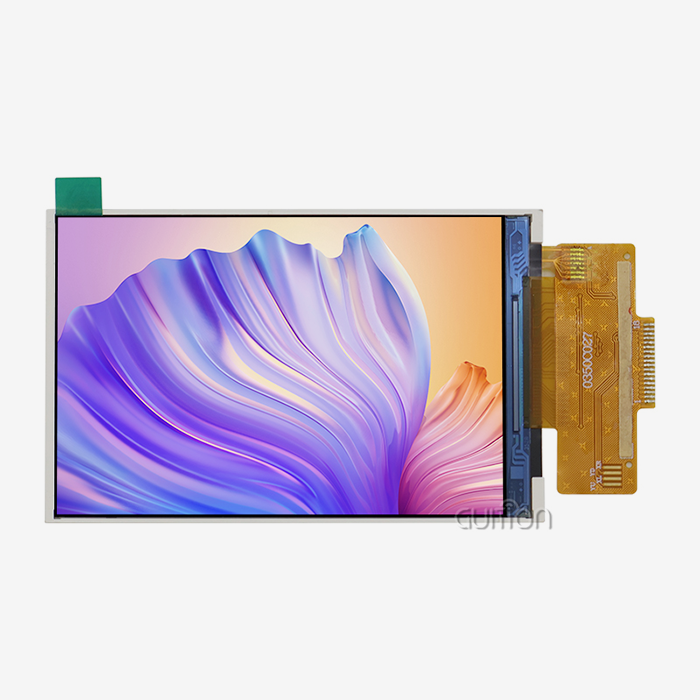
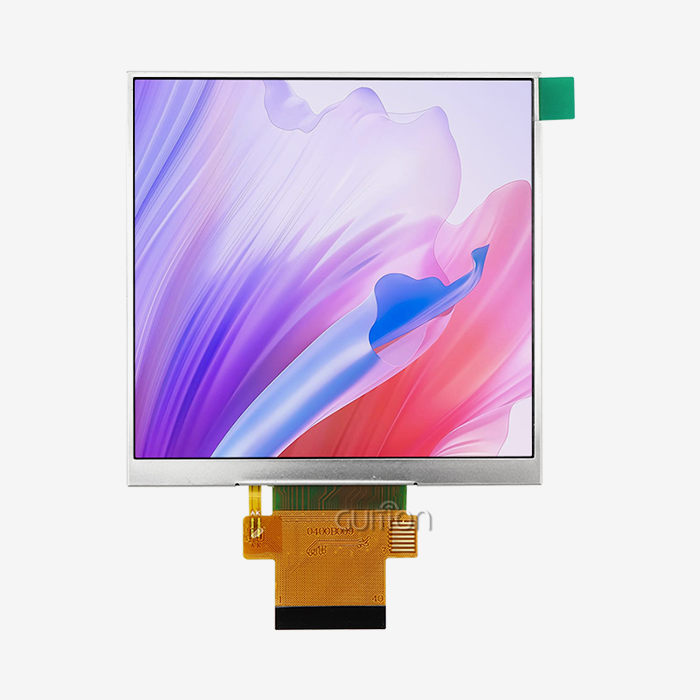
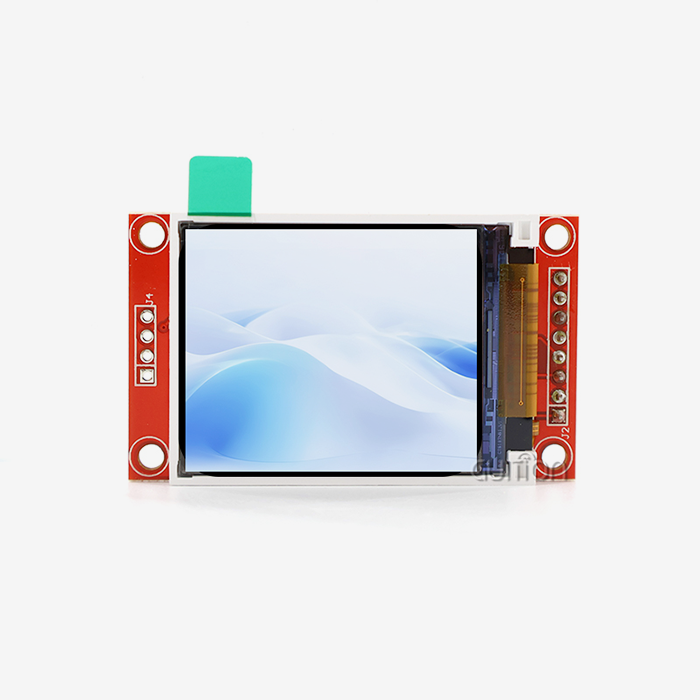
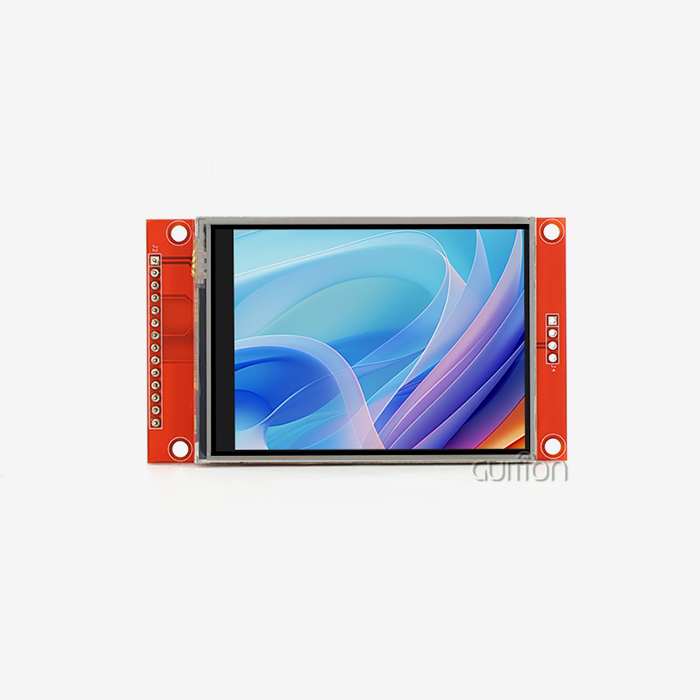
An Intelligent LCD Module may make Embedded GUI creation much easier. You no longer have to write thousands of lines of low-level driver code for a raw TFT screen. Just connect to it via serial protocols and use drag and drop design tools. One example is the Guition JC2432S028N, a 2.8” smart LCD module using 4-wire SPI with the ILI9341 driver IC at 240×320 resolution, saving pins and programming complexity from the get-go. This technique saves teams with tight schedules and limited budgets a lot of development time and debugging costs without sacrificing display quality.

Understanding Smart LCD Modules and Their Role in Embedded GUI Development
What Makes a Display "Smart"
A Smart LCD Module is different from a raw panel because it has a controller built right into the board. Point-level modeling is no longer the job of the host MCU. It only sends simple orders, and the module takes care of everything else, like controlling the lights and buffering frames.
Core Components Inside the Module
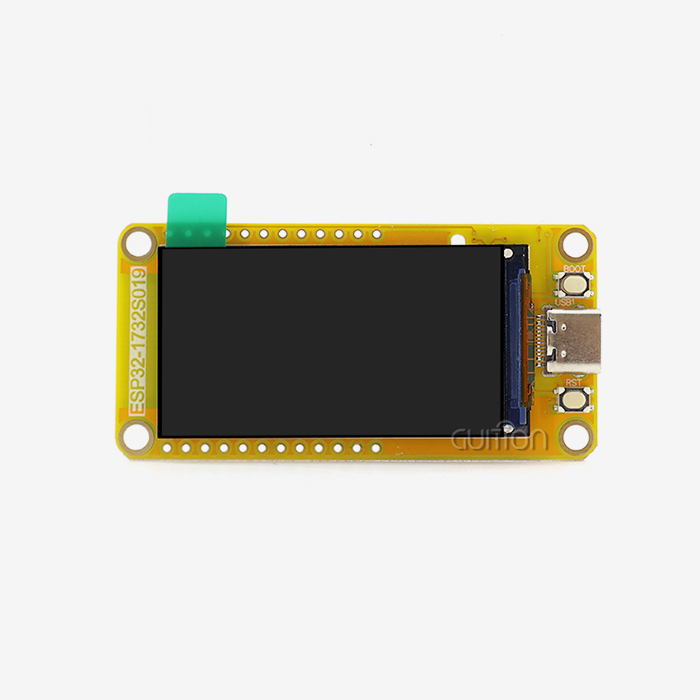
One small board holds the Guition JC2432S028N, which has a 2.8-inch TFT display, backlight control circuitry, and optional touch screen control circuitry. The ILI9341 driver IC manages all the timing for the display on its own, and the 4-wire SPI interface cuts down on the amount of wiring needed. Because of this connection, you don't need the extra controller boards that most sets need.
Why This Architecture Matters for B2B Teams
This architecture directly fixes the most common problem for embedded engineers working for companies that make industrial equipment, medical devices, and IoT solution providers: the time it takes to make a GUI. Electronics Weekly wrote in 2023 that debugging display drivers can take up to 30% of the time for an embedded project. Putting that work on the module changes the math completely.
Limitations of Traditional LCDs and How Smart LCD Modules Evolve the Development Process
The Hidden Cost of Raw TFT Panels
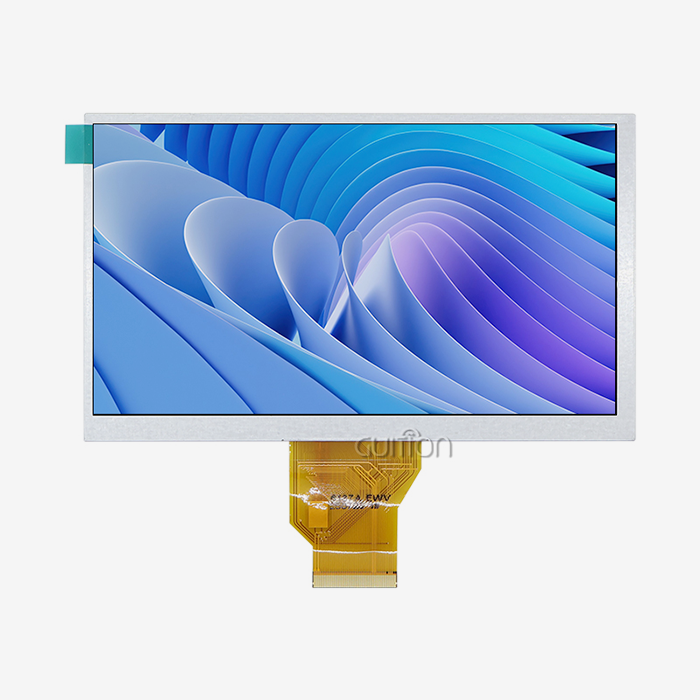
Traditional TFT panels need controllers that are outside the panel, complicated wiring, and timing registers that have to be set up by hand. Low-level firmware that is closely linked to the specific panel revision must be written and kept up to date by engineers. One change to the hardware can break the whole display stack, which means expensive testing must be done all over again.
What Changes with an Integrated Approach
Instead of a full parallel bus, the Guition JC2432S028N only needs a few IO pins to connect via 4-wire SPI. Designers can build interfaces visually with Guition UI by dragging tools onto a canvas, changing their shapes, and seeing real-time previews of layouts. You don't need to know a lot about graphics code to make a clean, working HMI screen.
Measurable Development Gains
Teams that use integrated display units say they can make changes to the software more quickly and without as many changes before the first production run. Because the wiring is simpler, there are also fewer problems with signal integrity during PCB layout. When R&D managers look at development costs, these gains mean that products can be released faster and engineering costs are lower per unit.
Comparison of Smart LCD Modules with Other Display Technologies
TFT LCD vs. OLED: Practical Trade-offs
OLED screens have great contrast and thin profiles, but they cost more per unit and can get burned in when used with static industrial HMI content. Standard TFT LCD modules with ILI9341 drivers, such as the JC2432S028N, offer a useful middle ground: they have stable brightness, can work in a range of temperatures, and have been shown to last for years with the same screen layout.
Where Smart LCD Modules Win Over Bare Panels
Every frame on a raw LCD screen has to be handled by the host CPU. With a Smart LCD Module, that job is given to the onboard controller. This frees up the main MCU to do tasks like communication, reading sensors, and control logic. This division of labor makes the system more stable and simpler to fix bugs in.
Size and Resolution Considerations for Procurement Teams
The screen sizes in Guition's products range from 1.28 inches to 21.5 inches, which gives procurement teams and system architects a choice between different generations of products. With a resolution of 240x320, the JC2432S028N works well in small control panels, handheld diagnostic tools, and appliance displays where space is limited but clarity is important. Picking the right size during the specification stage saves you money on later board redesigns.
Procurement Considerations for Buying Smart LCD Modules
Defining Project Specifications Before You Buy
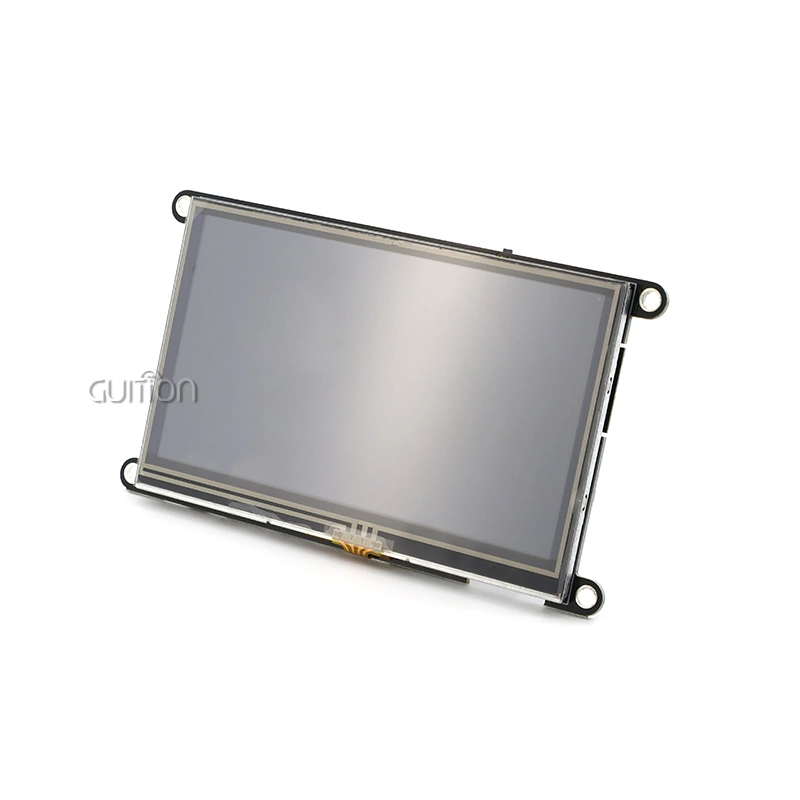
Before issuing a purchase order, engineering and procurement teams should align on resolution requirements, communication protocol support, operating temperature range, and whether touch capability is needed. The JC2432S028N supports an optional touch screen, giving buyers flexibility to specify the configuration that matches their application without paying for features they will not use. Matching specifications to real application needs from the start prevents over-engineering and keeps unit costs in check. Here are the core technical parameters worth locking in early:
- Communication protocol: 4-wire SPI reduces IO pin count and simplifies firmware integration across Arduino, ESP-IDF, and Guition development environments.
- Driver IC: The ILI9341 is a well-documented, widely supported controller with an active developer community, reducing integration risk.
- Touch option: Resistive touch suits gloved industrial environments; capacitive suits consumer-facing products. The JC2432S028N offers this as a configurable option.
- Size and resolution: 240×320 at 2.8 inches balances readability with a compact footprint suitable for panel-mount installations.
These parameters directly affect compatibility, longevity, and after-sales support scope, so they deserve careful review during the vendor qualification process.
Evaluating Supplier Reliability
For long-production-run products, supply continuity is as important as initial price. Shenzhen Jingcai Intelligent Co., Ltd. — the manufacturer behind the Guition brand — integrates R&D, production, and sales under one operation. This structure reduces the risk of component substitution or undisclosed revision changes that can destabilize existing firmware. Procurement teams should request documentation on component lifecycle commitments and revision control policies before signing volume agreements.
Total Cost of Ownership Beyond Unit Price
Unit price is only one factor. Technical documentation quality, availability of sample code, and responsiveness of engineering support all affect the total cost of getting a product to market. Guition provides ready-to-run code examples for multiple platforms, which reduces the billable engineering hours needed to complete initial integration — a real-money saving that justifies a slightly higher module price over a bare panel with no software support.
Troubleshooting and Maintenance Tips for Smart LCD Modules
Diagnosing Display Glitches at the Hardware Level
When displays flicker or reset by themselves near loads that are switched by relays, it's likely because of EMI coupling through a shared power rail. Most of these problems can be fixed by separating the inductive load supply from the 3.3V or 5V logic supply that powers the Smart LCD Module. Putting a small ferrite bead on the VCC line filters it even more without having to rebuild the board.
Firmware and Software Diagnostics
Cross-platform online debugging is built into the Guition software. This means that engineers can check the communication logs, watch the display state, and make sure that UI page transitions work without having to use special hardware probes. If a touch screen stops reacting, the first thing that should be done is to check the baud rate settings and make sure that the host MCU isn't filling the serial buffer. The software configuration level is where most transmission mistakes can be fixed before the hardware needs to be replaced.
Extending Module Lifespan Through Preventive Practices
TFT display modules with industrial-grade LED backlights usually last longer than 30,000 hours. To get close to that number in real life, don't leave the light at full brightness all the time when the app doesn't need it. The JC2432S028N has backlight control hardware that lets software control PWM dimming. Over-the-air (OTA) firmware updates, made possible by Guition's remote upgrade feature, let teams make changes to installed units' display configurations without having to physically reach them. This cuts down on the number of post-sales visits and the costs that come with them.
Conclusion
A Smart LCD Module does more than just show pixels; it changes the way that embedded GUI projects are made. The Guition JC2432S028N and other modules like it take away the most time-consuming parts of HMI development by putting the controller, backlight management, and optional touch logic on a single board. Teams work on the features that make their goods stand out more and spend less time on engine code. This category is worth serious thought for procurement officers, R&D managers, and technical leaders looking for their next display platform. It has a defined driver IC, works with multiple platforms, and comes with Guition's visual design tool.
FAQ
Do I need advanced embedded programming skills to work with the JC2432S028N?
No. The Guition UI development software provides a visual drag-and-drop environment where you can build screens without writing graphics drivers. The module supports Arduino, ESP-IDF, and Guition development modes, so most engineers can integrate it within their existing workflow.
How does a smart LCD module compare to a raw panel in terms of energy use?
Integrated controller modules can be more efficient because the host MCU offloads rendering tasks. The JC2432S028N includes backlight control circuitry that supports PWM dimming, letting you reduce power consumption based on ambient lighting or user activity.
What are typical lead times for bulk orders?
Lead times vary by order volume and configuration. Contacting Guition directly at david@guition.com with your specifications will get you an accurate timeline. Sample units are available for evaluation before committing to production quantities.
Can the display be updated remotely after deployment?
Yes. Guition's remote upgrade feature allows OTA firmware updates through the host MCU's network connection, which is particularly useful for products with WiFi or Bluetooth already in the design.
Is the touch screen function required, or can I order without it?
Touch is optional on the JC2432S028N. You can specify a display-only configuration if your application uses physical buttons or if touch adds unnecessary cost to the BOM.
Ready to Accelerate Your Next HMI Project? Contact Guition
From 1.28" to 21.5", Guition has a range of tried-and-true Smart LCD Module options that come with detailed instructions, support for multiple platforms, and direct engineering help. You can get a sample of the JC2432S028N Smart LCD Module that Guition sells and test it without having to go through a long qualification process. You can email the team at david@guition.com or go to the product page at https://jingcaizhineng.aixdb.cn/ to get a datasheet, talk about customization options, or place an order for a sample right away.
References
1. Electronics Weekly — Embedded Systems Development Cost Analysis, 2023.
2. IEEE Transactions on Industrial Electronics — Human-Machine Interface Design in Industrial Automation, 2022.
3. EDN Network — TFT LCD Controller Integration Guide for Embedded Engineers, 2023.
4. EE Times — Display Technology Comparison: TFT, OLED, and Integrated Modules, 2024.
5. Embedded Computing Design — OTA Firmware Update Strategies for HMI Devices, 2023.
6. Electronic Design — SPI vs. Parallel Interface: Impact on Embedded GUI Development Timelines, 2022.
Learn about our latest products and discounts through SMS or email