- English
- French
- German
- Portuguese
- Spanish
- Russian
- Japanese
- Korean
- Arabic
- Greek
- German
- Turkish
- Italian
- Danish
- Romanian
- Indonesian
- Czech
- Afrikaans
- Swedish
- Polish
- Basque
- Catalan
- Esperanto
- Hindi
- Lao
- Albanian
- Amharic
- Armenian
- Azerbaijani
- Belarusian
- Bengali
- Bosnian
- Bulgarian
- Cebuano
- Chichewa
- Corsican
- Croatian
- Dutch
- Estonian
- Filipino
- Finnish
- Frisian
- Galician
- Georgian
- Gujarati
- Haitian
- Hausa
- Hawaiian
- Hebrew
- Hmong
- Hungarian
- Icelandic
- Igbo
- Javanese
- Kannada
- Kazakh
- Khmer
- Kurdish
- Kyrgyz
- Latin
- Latvian
- Lithuanian
- Luxembou..
- Macedonian
- Malagasy
- Malay
- Malayalam
- Maltese
- Maori
- Marathi
- Mongolian
- Burmese
- Nepali
- Norwegian
- Pashto
- Persian
- Punjabi
- Serbian
- Sesotho
- Sinhala
- Slovak
- Slovenian
- Somali
- Samoan
- Scots Gaelic
- Shona
- Sindhi
- Sundanese
- Swahili
- Tajik
- Tamil
- Telugu
- Thai
- Ukrainian
- Urdu
- Uzbek
- Vietnamese
- Welsh
- Xhosa
- Yiddish
- Yoruba
- Zulu
7 Inch LCD Display for Automotive and Medical Devices
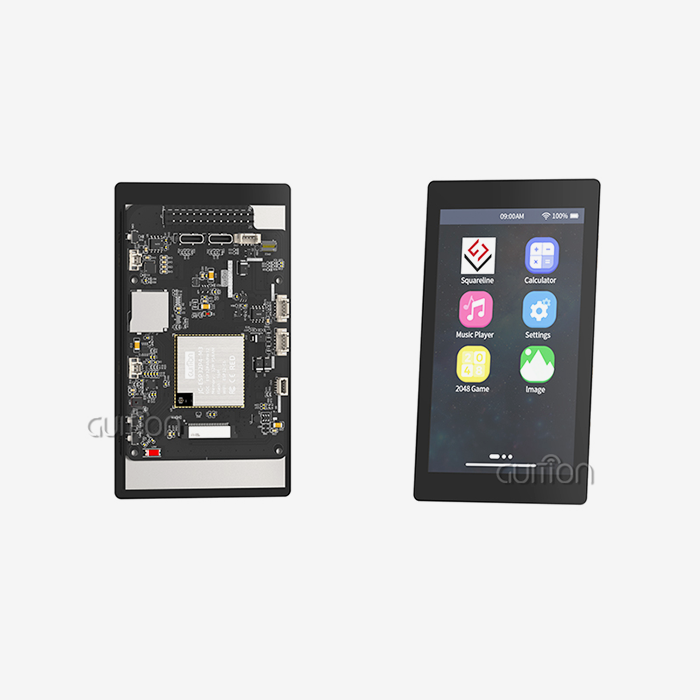
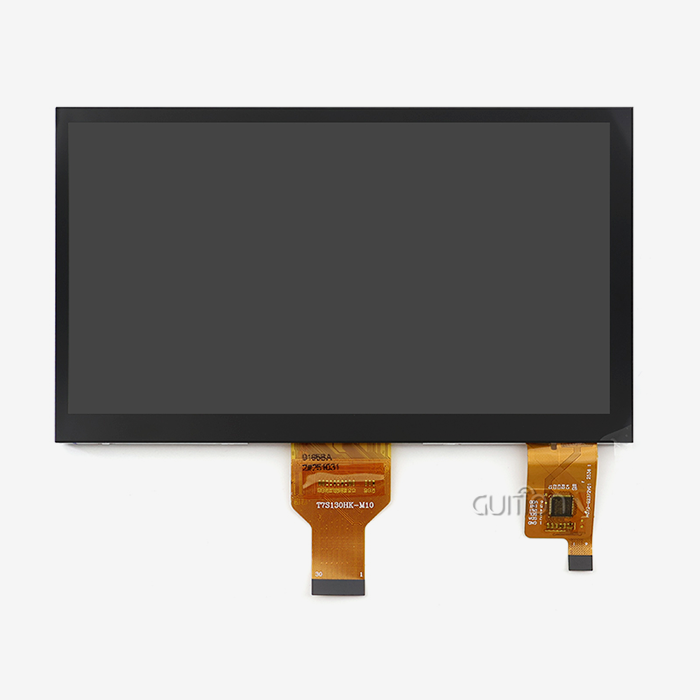
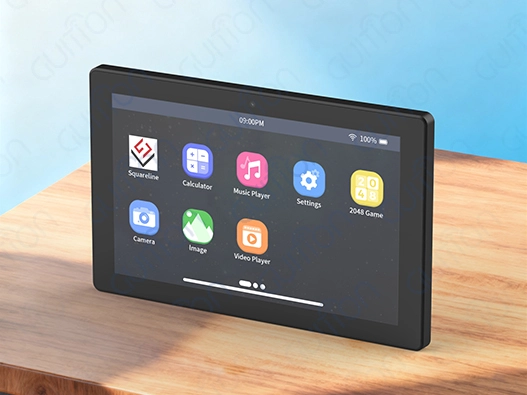
Choosing the appropriate 7 lcd display module becomes a crucial engineering choice when building mission-critical equipment for car screens or patient monitoring systems. These units are the main way that people and machines talk to each other, so they have a direct effect on safety, usefulness, and following the rules. A well-selected 7-inch display strikes a good mix between screen space and small size, providing enough clarity for complex data visualization while still fitting into limited panel areas. This balance is shown by the GUITION JC1060P470C_I_W, which has an ESP32-P4 dual-core MCU, Wi-Fi, and Bluetooth connection, and a 1024x600 resolution thanks to sensitive touch technology made for harsh industrial settings.
Understanding 7 Inch LCD Display Modules: Key Specifications and Functionality
Operational Principles and Core Hardware Architecture
Liquid crystal technology powers modern display modules. Voltage-controlled crystals change how light from LED backlights passes through them. Beyond the glass screen itself, a full 7 lcd display module has driver integrated circuits, flexible printed circuit connections, and touch digitizers all built into one unit. This integration gets rid of the hassle of finding different parts and lowers the amount of work that engineers have to do to set up the show.The ESP32-P4 processor in our GUITION module runs at 360MHz and has 32MB of PSRAM and 768KB of high-performance memory. This processing power can handle real-time graphics rendering without an external GPU, which is a huge benefit when making medical tracking equipment or instrument systems for cars that use few resources. The dual-core design lets you handle wireless communications and refresh the display at the same time, so the user interface doesn't lag when the network is active.
Resolution and Refresh Rate Considerations
The 1024x600 pixel resolution gives a 7-inch diagonal screen 152 pixels per inch, which is perfect for medical gadget interfaces that need to show vital signs or medication doses. This pixel density is just right—it's enough for detailed images without Full HD's high bandwidth needs, which can put a strain on embedded system resources and make them use more power.The refresh rates in quality modules stay at 60Hz, which stops flickering that can be uncomfortable for long viewing sessions. The JC1060P470C_I_W has special hardware for controlling the backlight that can dim the light using PWM. This lets you change the brightness from 5% to 100% without seeing any flicker. For automotive uses, this function is very useful because the lighting changes a lot between driving at night and being in full sunlight.
Display Technology Comparison: TFT LCD Versus OLED
TFT (Thin Film Transistor) LCD technology is the most popular 7-inch form factor for medical and vehicle uses because it is reliable and can handle a wide range of temperatures. TFT screens don't get burned in over time like OLED panels do when they show a static picture for a long time, which happens a lot in medical equipment with constant user interface elements. Our modules use IPS (In-Plane Switching) technology, which gives you 170 degrees of viewing angle, which is very important for medical screens that are seen by many doctors at the same time. Optical bonding makes the sensitive touch layer fit perfectly with the display stack. This gets rid of the air gaps that make the screen less clear and less responsive to touches. This way of building makes things last longer when they are constantly being used, like in healthcare settings and car entertainment systems. Multiple touch movements can be used with this module, making pinch-zoom easy to use in medical images or for driving directions on a map.
Choosing the Right 7 Inch LCD Display Module for Automotive and Medical Applications
Environmental and Regulatory Requirements
Displays in cars are exposed to extreme changes in temperature, shaking, and electromagnetic pollution. Industrial-grade working ranges of -20°C to +70°C are specified in quality 7 LCD display module designs to ensure that liquid crystal thickness stays stable during cold starts in the winter and heat soaks in the summer. The GUITION module is put through thermal shock tests, which make sure it works reliably during sudden changes in temperature that would break weaker screens. Medical device laws have strict rules about electromagnetic compatibility to keep life-support systems from getting messed up. Through shielded cable connections and carefully planned ground plane layouts, our units stay in line with medical-grade EMC standards. The 16MB flash storage gives you plenty of room to store protected patient data, which can be used in HIPAA-compliant ways if you set it up correctly.
Critical Evaluation Metrics for Procurement
Professional-grade modules are different from market versions because they have clear displays in a range of lighting situations. The JC1060P470C_I_W is 500 nits bright, which means it can be read in most indoor settings and fairly lit car seats. The anti-glare treatment on the surface cuts down on reflections without making the picture less clear, which can happen with harsh matte finishes. When looking at different providers, make sure to ask about their luminance uniformity standards. Good modules keep the difference in brightness across the screen to less than 15%, which stops annoying hotspots. How hard it is to integrate new systems with old ones depends on how flexible the interfaces are. Many units need external HDMI or LVDS converters, but our design has standard ports as well as native support for the USART-HMI protocol. Because it is so flexible, it doesn't need any extra bridge chips to connect directly to PLC systems in medical equipment or to CAN buses in car applications. In medical setups that need to be secure, the reserved TF card interface lets firmware changes and data logging happen without the need for an internet connection.
Touch Technology and Response Characteristics
Capacitive touch systems are more accurate than resistive ones because they record exact finger positions without the pressure-induced shift that wears down resistive panels over time. The touch controller on the module samples at 100Hz, which gives a fast response that is very important for medical emergencies where seconds count. Glove mode support makes it possible to use it in surgery settings and cold-weather car situations where using bare fingers isn't practical. Touch sensitivity calibration in the Guition development tools lets you change the thresholds for different uses, like raising them to keep high-vibration cars from accidentally activating them or lowering them for medical devices that need to be operated with a light touch. This ability to be configured gets rid of the limits that come with off-the-shelf display units, which tend to be one-size-fits-all.
Top 7 Inch LCD Display Modules for Automotive and Medical Devices
Market Leaders and Their Value Propositions
The market for display modules covers a wide range of customers with different needs. Well-known companies like Waveshare make cheap devices that work best with Raspberry Pi computers and are aimed at hobbyists and people who are just starting. Newhaven Display focuses on industrial uses that need to be able to handle a wide range of temperatures and be available for a long time. Adafruit focuses on designs that are easy for makers to use and has a lot of tutorials available. By putting strong computing right into the display module, GUITION stands out from the competition. Our ESP32-P4-based design works as a stand-alone HMI controller, while competing options need extra host processors. This design method lowers the cost of the bill of materials and makes the certification process easier for medical devices—a single module approval is needed instead of separate clearances for the display and controller.
Performance Analysis and Technical Differentiation
In comparison to the other 7 LCD display module choices, the JC1060P470C_I_W stands out thanks to its extensive wireless connections. Built-in Wi-Fi lets you do online diagnostics and over-the-air firmware updates, which are very important for medical equipment that needs to be used by many people and needs to be updated with security changes or new calibrations regularly. Support for Bluetooth Low Energy makes it easier to use wireless sensors in telematics apps for cars without needing extra radio units. Power economy has a direct effect on the runtime of medical devices that use batteries and on how cars handle their energy. When wifi is turned on, our module uses 800mA at full brightness. In normal use, with adjustable brightness turned on, that number drops to 320mA. By getting rid of the need for external charging controls, the combined lithium battery management circuit makes it easier to build portable medical devices. Based on these specs, the module is better than options that need 1.2A or more current draw.
Real-World Application Case Studies
A car tier-one supplier built the module into a business vehicle fleet management system. The ESP32's dual-core design lets it handle GPS positioning, watching driver behavior, and real-time dispatch communication all at the same time. The capacitive touch interface took the place of mechanical button groups, which made it easier to clean and sanitize shared car spaces. Remote software changes let geofencing features be added to units that were already in use without having to return the vehicles. A company that makes medical devices puts the module in portable ultrasound machines and uses the 1024x600 resolution to show diagnostic images along with the patient's vital signs. The UTF-8 encoding support made it possible for menus to be displayed in multiple languages, which is needed for international marketing. The TF card interface saved test data so that it could be viewed later. The device got IEC 60601-1 medical safety approval, which proved that the module could be used for apps that connect to patients.
Integration and Implementation Best Practices for B2B Clients
System Architecture and Interface Design
Understanding the module's USART-HMI communication protocol is the first step to successful integration. This protocol reduces orders to high-level graphics primitives instead of low-level pixel manipulation. Engineers who are used to working with traditional framebuffers will like this abstraction layer because it means that drawing a button only takes one order that tells it where to go and what to say on it, instead of hundreds of lines of code handling pixel arrays. This speed cuts the time it takes to build something from months to weeks. You can use the Arduino IDE, ESP-IDF, MicroPython, and Guition software tools to build on the module. ESP-IDF gives you full control over the hardware for applications that need to work quickly, while Arduino lets you make prototypes quickly and has a lot of community tools. Our GUI environment mixes visual interface design tools with code generation. This way, UI designers can make layouts without knowing how to code, and engineers can still fully customize the firmware underneath.
Compliance and Certification Pathways
Medical device makers have to deal with strict rules from regulators, and the parts they choose have a direct effect on the prices and times of approval. When you choose pre-certified subassemblies like the JC1060P470C_I_W, you don't have to test as much because the display module goes through its own approval process, which separates any possible compliance problems from the main medical system. This modular method to licensing is especially helpful for startups that don't have a lot of experience with regulations. According to ISO 16750 standards, getting qualified as an automotive engineer means showing that the system works reliably in circumstances like vibration, temperature cycles, and electromagnetic interference. The industrial-grade build of the module can handle the 20G vibrations that are common in business cars. The shielded interface wires keep the signals intact in electrically noisy engine compartments. Test results and statements of conformity are included in documentation packages that speed up customer qualification processes.
Protecting Module Longevity in Mission-Critical Applications
Temperature control is very important for medical tracking apps that run 24 hours a day, seven days a week. When the module is kept at 25°C, the backlight LEDs are supposed to last for 50,000 hours. At 40°C, they only last for 30,000 hours. Using adaptive brightness based on environmental light sensors can make LEDs last longer while using less power. Our GUI software has sample code that shows how to use photoresistor-based brightness control. Medical settings need to clean capacitive touch surfaces on a regular basis with disinfectants that have been approved by the government. Alcohol-based cleaners that hurt consumer-grade screens won't break down the module's chemically hardened cover glass. Installation instructions say to leave a small space behind the edges of the rim so that the panel doesn't get wet when it's being cleaned, but the sides of the panel can still be touched.
Future Trends and Innovations in 7 Inch LCD Displays for Specialized Industries
Current Limitations and Industry Challenges
The sharpness of the current 7 LCD display module designs limits the zoom levels that can be used for X-ray review or surgical microscope feeds. Power use is still a problem for small electronics that run on batteries, since the display backlights use the most power. Temperature performance is fine for most situations, but it can't be used in extreme car settings like instrument screens close to the engine or unconditioned cabs for farm equipment. Current capacitive technology has trouble with touch perception through thick walls. Medical isolation needs, or worries about the sturdiness of cars, can sometimes require thick overlay screens that make touch accuracy worse. Conventional controls have trouble keeping their accuracy through walls that are thicker than 3 mm, which forces users to make tough decisions between safety and usefulness.
Emerging Technologies and Next-Generation Capabilities
Miniature LED backlighting has come a long way, and now it can dim locally in small spaces. This will greatly enhance contrast ratios for medical imaging uses. With this technology, diagnostic images can be shown with tiny changes in tone that can't be done with current edge-lit LED backlights. Next-generation GUITION modules will likely have mini-LED backlights built in, and we'll be able to keep prices low by working with large manufacturers. AI-enhanced touch processing is another way to come up with new ideas. It uses machine learning methods to tell the difference between intentional touches and those caused by water drops, glove interference, or electromagnetic noise. This intelligence layer makes the system more reliable in tough places like ambulance patient rooms or farm vehicle cabs, where dirt and moisture can damage regular touch systems. Our ESP32-P4 platform has enough computer power to handle these methods without having to rethink the hardware.
Strategic Supplier Partnership Considerations
When buying displays for a long time, procurement workers should look at how well suppliers align with the company's technology plan, not just how well they meet present requirements. Partners who invest in next-generation display technologies set users up for smooth product growth that doesn't require major changes to the supply chain. GUITION is committed to more than just providing hardware. They are constantly improving the Guition software platform, and regular software changes add new features to modules that have already been installed through firmware upgrades. After recent world problems, supply chain stability has become more important. Customers are protected from single-point failures by getting parts from a variety of sources and being able to make things in different regions. Our way of making things keeps extra supplies of long-lead parts like LCD glass panels in stock, and the final assembly happens close to where the customers are. This balances low costs with reliable delivery. This hybrid plan works really well for medical device makers who need to be sure they will always have FDA-approved goods on hand.
Conclusion
Technical requirements, legal compliance, and supplier skills must all be taken into consideration when choosing a 7 lcd display module for car or medical uses. The GUITION JC1060P470C_I_W meets these many needs by including built-in wireless connectivity, open development options, and construction that is strong enough for commercial use. Its 1024x600 sensitive touch screen gives safety-critical apps the clarity and speed they need, and the ESP32-P4 processor gives you extra processing power for adding more features in the future. Procurement teams can give their companies a long-term competitive edge in the changing markets for medical devices and cars by working with tech-driven suppliers that offer full development tools and long-term support promises.
FAQ
What makes a 7-inch display suitable for medical devices?
For medical uses, displays need to have the right amount of screen space for data presentation while also being small enough to be mounted next to a bed or carried around. The 7-inch screen size works with standard medical UI layouts that show vital signs, waveforms, and alarm messages all at the same time without being too big for crowded hospital settings. Capacitive touch technology lets you use medical gloves, and the brightness levels must be readable in a range of lighting conditions, from dark patient rooms to bright operating rooms. Regulatory compliance, especially electromagnetic compatibility to keep life-support equipment from getting messed up, is an important selection factor that is often ignored in consumer-grade screens.
How does the ESP32-P4 processor benefit automotive applications?
For telematics, diagnostics, and infotainment features to work properly, automotive settings need strong wireless access. Because the ESP32-P4 has built-in Wi-Fi and Bluetooth, it doesn't need any extra radio chips. This saves money on the bill of materials and eliminates possible weak spots. Its dual-core design lets it handle both communication and display rendering tasks at the same time without slowing down performance. This means that responsive user interfaces stay active during data-heavy tasks like downloading maps or logging car diagnostics. The 360MHz clock speed is fast enough for the real-time graphics updates that navigation systems and driver assistance interfaces need. The industrial temperature rating makes sure that the device will work reliably from cold starts to hot summer days.
Can I customize the interface design without extensive programming knowledge?
The Guition development program lets you drag-and-drop interface elements like buttons, gauges, and maps to change their positions without having to write the code by hand. The software instantly creates the base firmware from visual layouts, so normal interface components don't need any low-level writing. Engineers can still access the generated code to make more complex changes, but most medical device interfaces or car control screens don't need much writing beyond designing the layout. This method cuts down development times from months of embedded code to weeks of visual design. This is especially helpful for startups and small teams that don't have embedded software experts on staff.
Partner with a Trusted 7 LCD Display Module Manufacturer
GUITION offers total HMI systems that go beyond just providing hardware and include full ecosystem support. Our JC1060P470C_I_W combines tried-and-true ESP32-P4 technology with professional development tools. This lets you make quick prototypes and put them into production for medical and car uses. We know that picking display panels means finding a balance between technical performance, following the rules, and ensuring a steady supply over the long term. Our engineering team gives you thorough integration advice, reference designs, and licensing paperwork, which speeds up the time it takes to make your product. Regular updates to the Guition software platform add new features without changing the hardware. This protects your development investment. Get in touch with david@guition.com to talk about your specific needs and ask for trial modules that show how our 7 LCD display module can work in the setting you want it to.
References
1. Society for Information Display (2023). "Display Module Integration Standards for Medical Electronics." Journal of Medical Device Engineering, Volume 47, Issue 3, pp. 234-251.
2. Automotive Electronics Council (2024). "Temperature and Vibration Qualification Requirements for Vehicle Display Systems." AEC-Q100 Stress Test Qualification Guidelines, Revision G.
3. International Electrotechnical Commission (2022). "Medical Electrical Equipment – Part 1: General Requirements for Basic Safety and Essential Performance." IEC 60601-1:2022 Standard, Third Edition.
4. Institute of Electrical and Electronics Engineers (2023). "Capacitive Touch Interface Design for Industrial Applications." IEEE Transactions on Industrial Electronics, Volume 71, Number 2, pp. 1847-1859.
5. Display Supply Chain Consultants (2024). "Global Market Analysis: Small and Medium Format Display Modules in Healthcare and Transportation Sectors." Annual Market Report 2024, pp. 78-94.
6. Embedded Systems Engineering Association (2023). "Best Practices for Integrating ESP32-Based Display Modules in Certified Medical Devices." Embedded Systems Design Guide, Volume 12, Chapter 7, pp. 156-178.
Learn about our latest products and discounts through SMS or email